
Connecting people to the history, living cultures, and ecology of the Columbia River system through Indigenous voices.
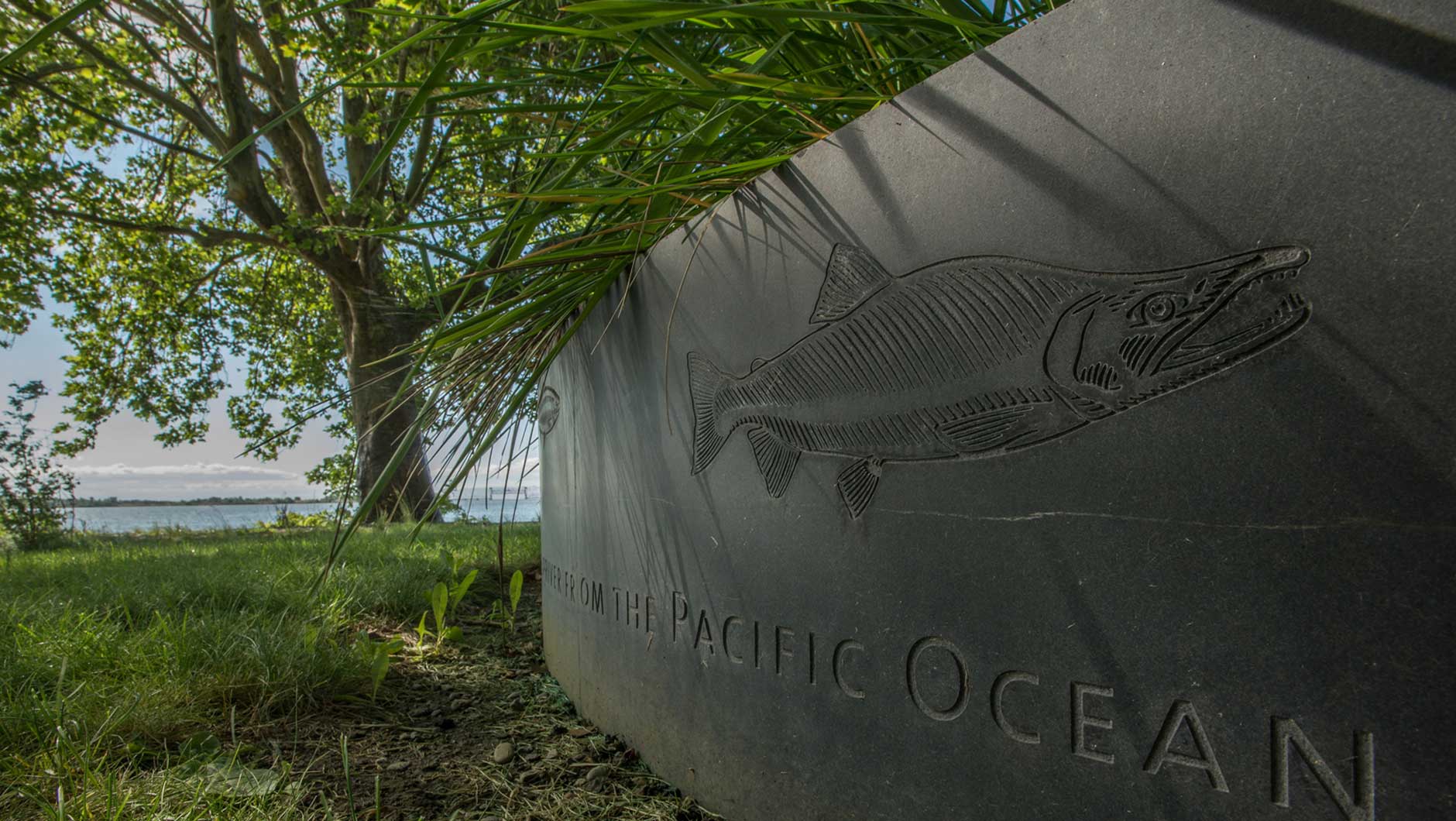
Confluence project sites span 438 miles in Oregon and Washington. Each of our five completed art landscapes was chosen because of its historic and cultural significance to the Indigenous peoples of the Columbia River system. Come experience your “confluence moment,” where art has a unique power to connect you to the history, culture and ecology that have shaped this land.
Confluence artworks invite you to reimagine our shared environment as it once was and what it could be. References to the Lewis and Clark journals are reminders of a snapshot in recorded time more than two centuries ago as we look two centuries forward to imagine a better future for the Columbia River system.
Visit our sites on your own or with family, friends and colleagues. Always feel free to contact us for advice and guidance at 360-693-0123.
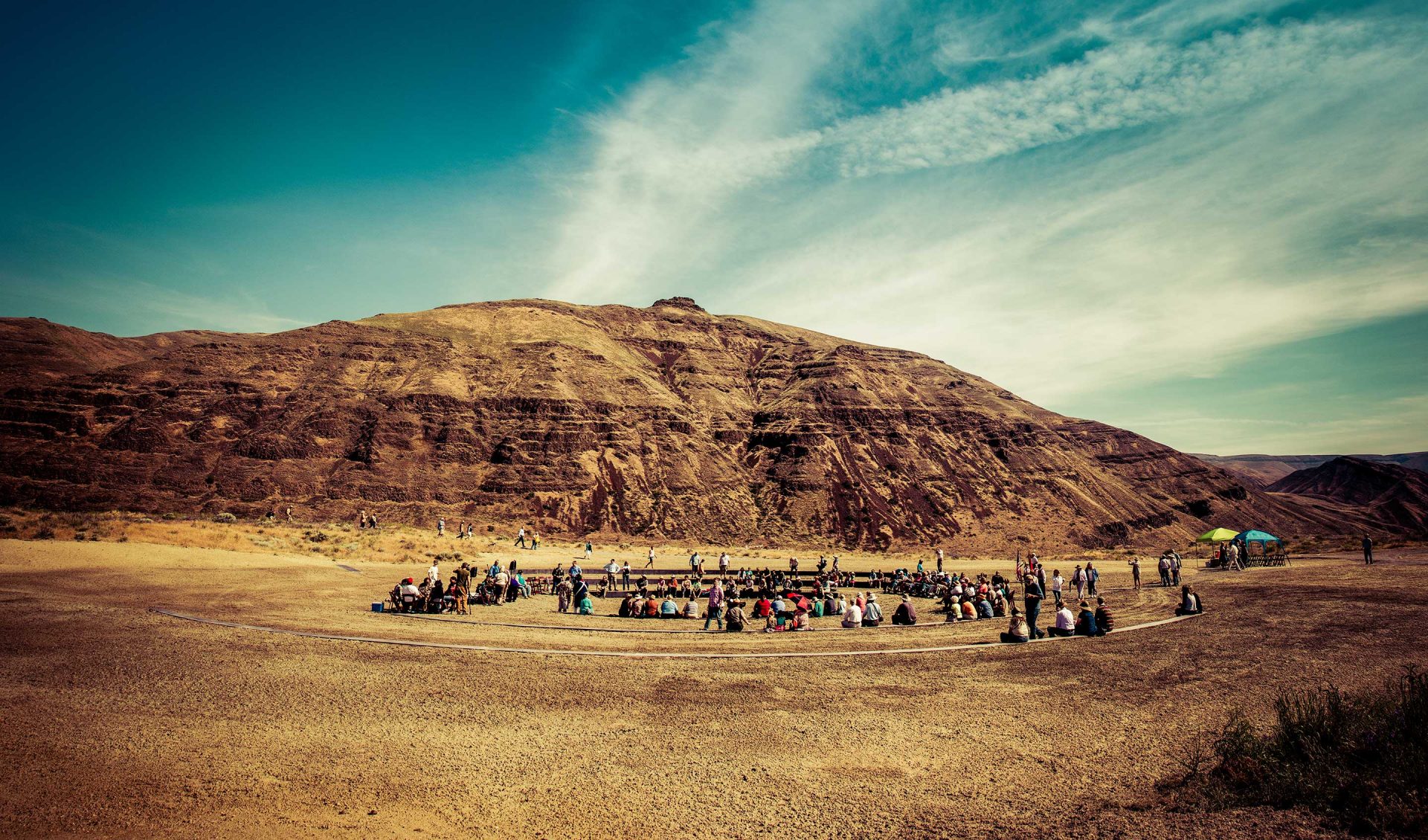
Your contribution to Confluence supports unique education programs that bring Native artists and educators into schools and community gatherings in which Indigenous perspectives are the focus. You also support the conservation and stewardship needed to care for our five completed sites along the Columbia River system for generations to come. Become a Friend or Legacy Maker of Confluence today!
“I support Confluence because I learned more about northwest Native American history and culture in one Confluence Story Gathering than in twelve years of education in Oregon schools and five years at Oregon and Washington universities.”
~Anonymous Confluence Legacy Maker
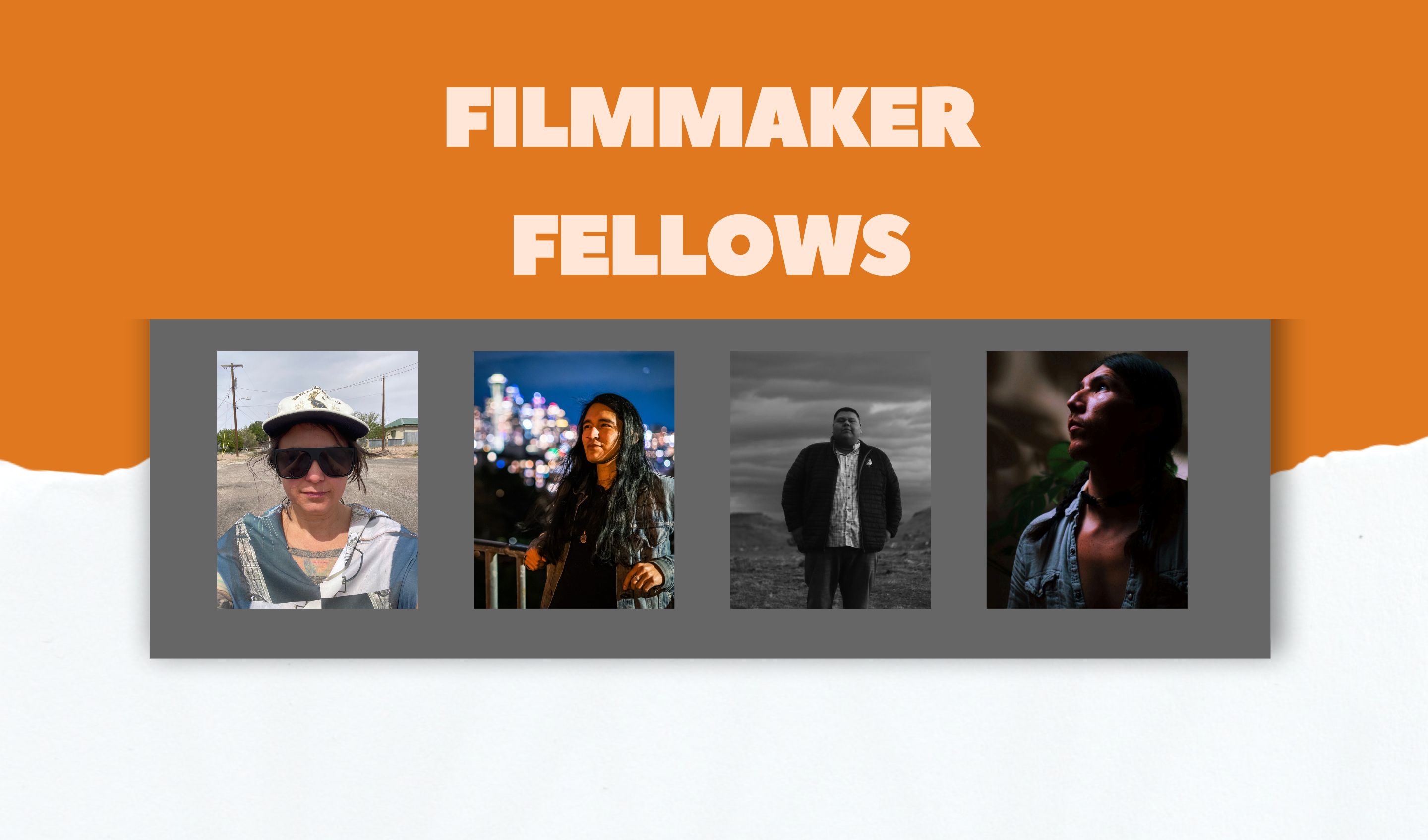
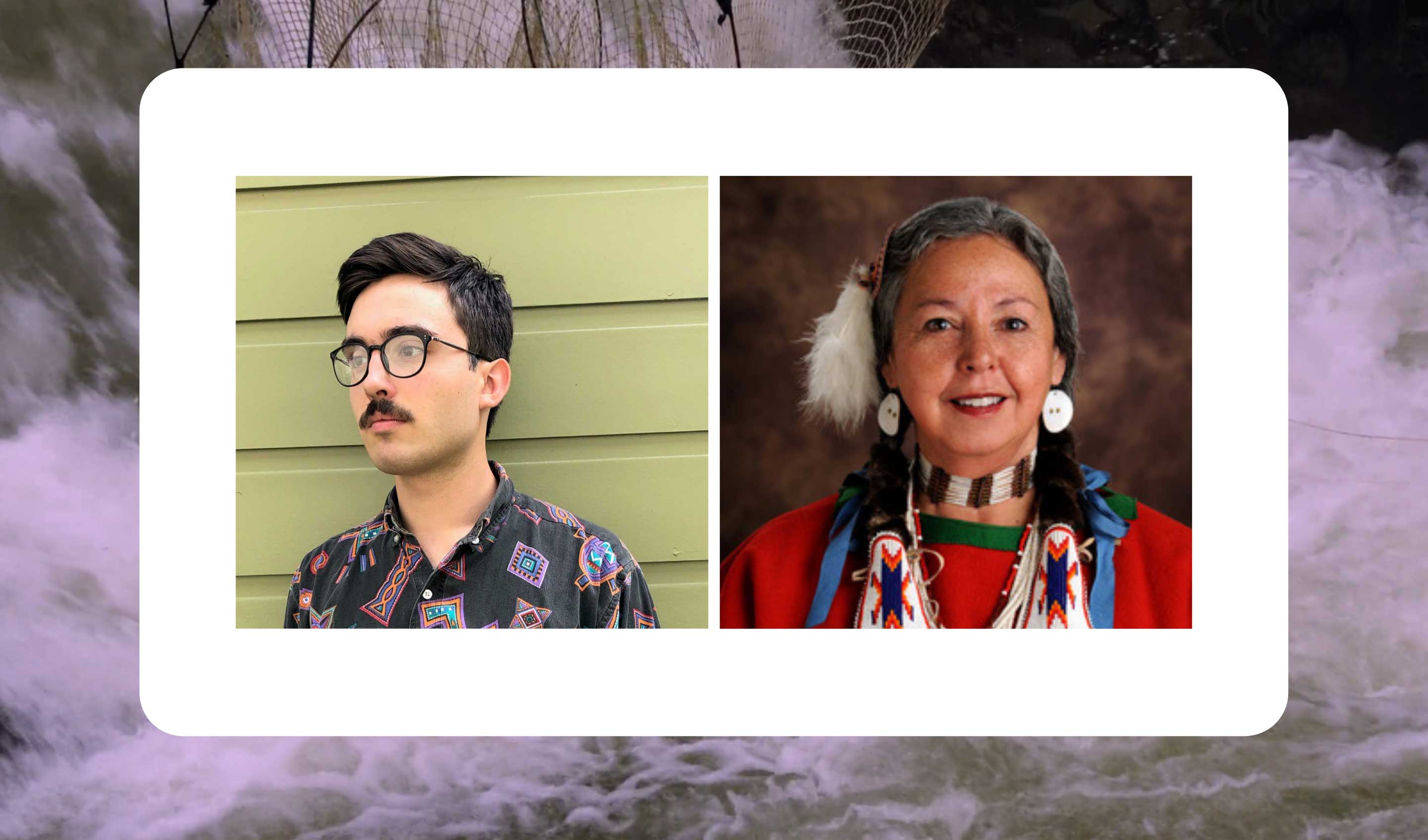
“Salmon have always kept their word…” In this episode, we talk with filmmaker Woodrow Hunt a Klamath/Modoc/ Cherokee descendent, and Bobbie Conner, a member of the Confederate Tribes of the Umatilla Indian Reservation and Executive Director of the Tamástslikt Cultural Institute, about Hunt’s recent film, Salmon’s Agreement.

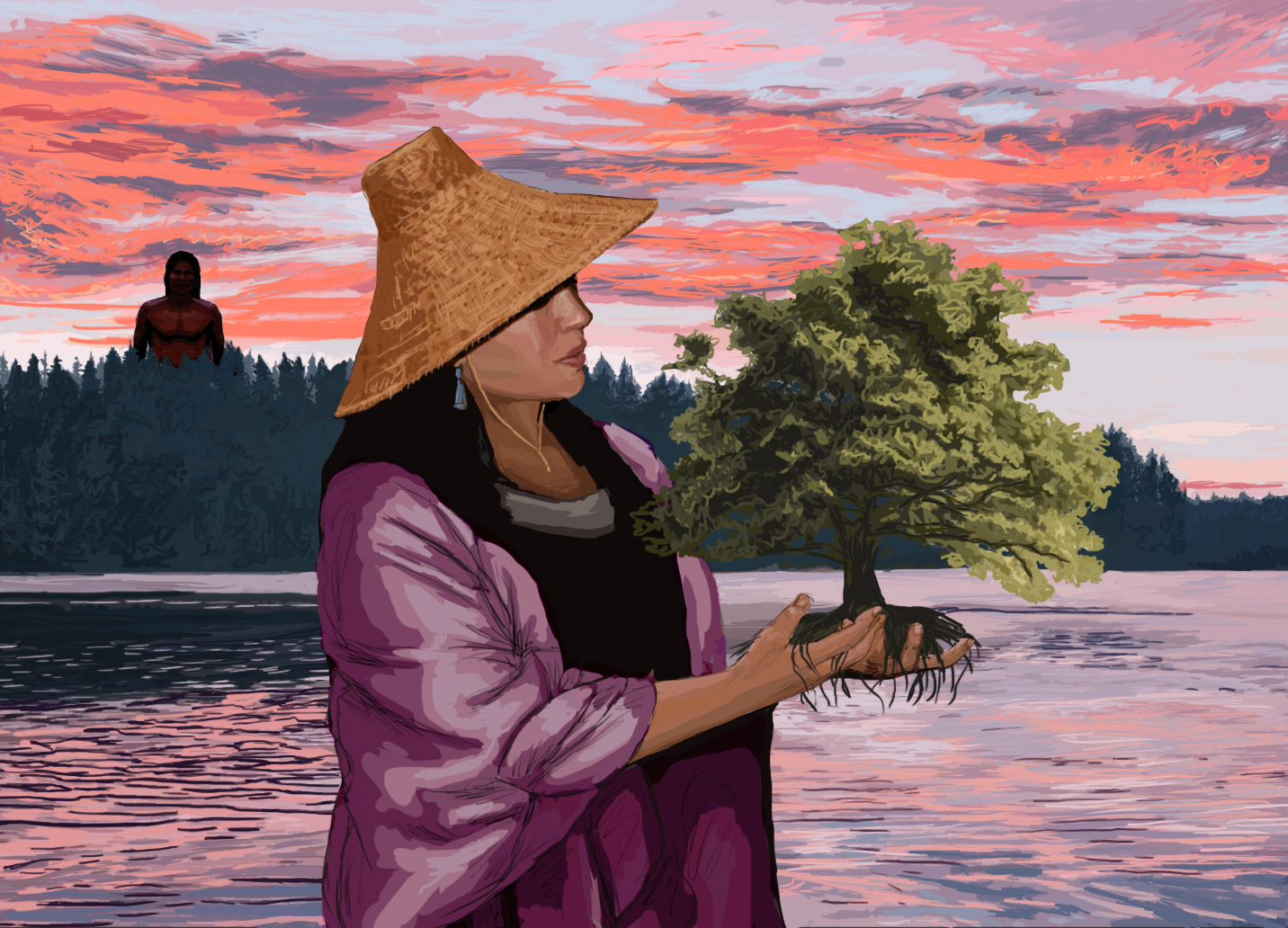
History did not record her wedding, how she celebrated the birth of her daughter, or what emotions gripped her when she was told her husband went to live in the sea. There’s been no acknowledgment of her own death, not even a date.
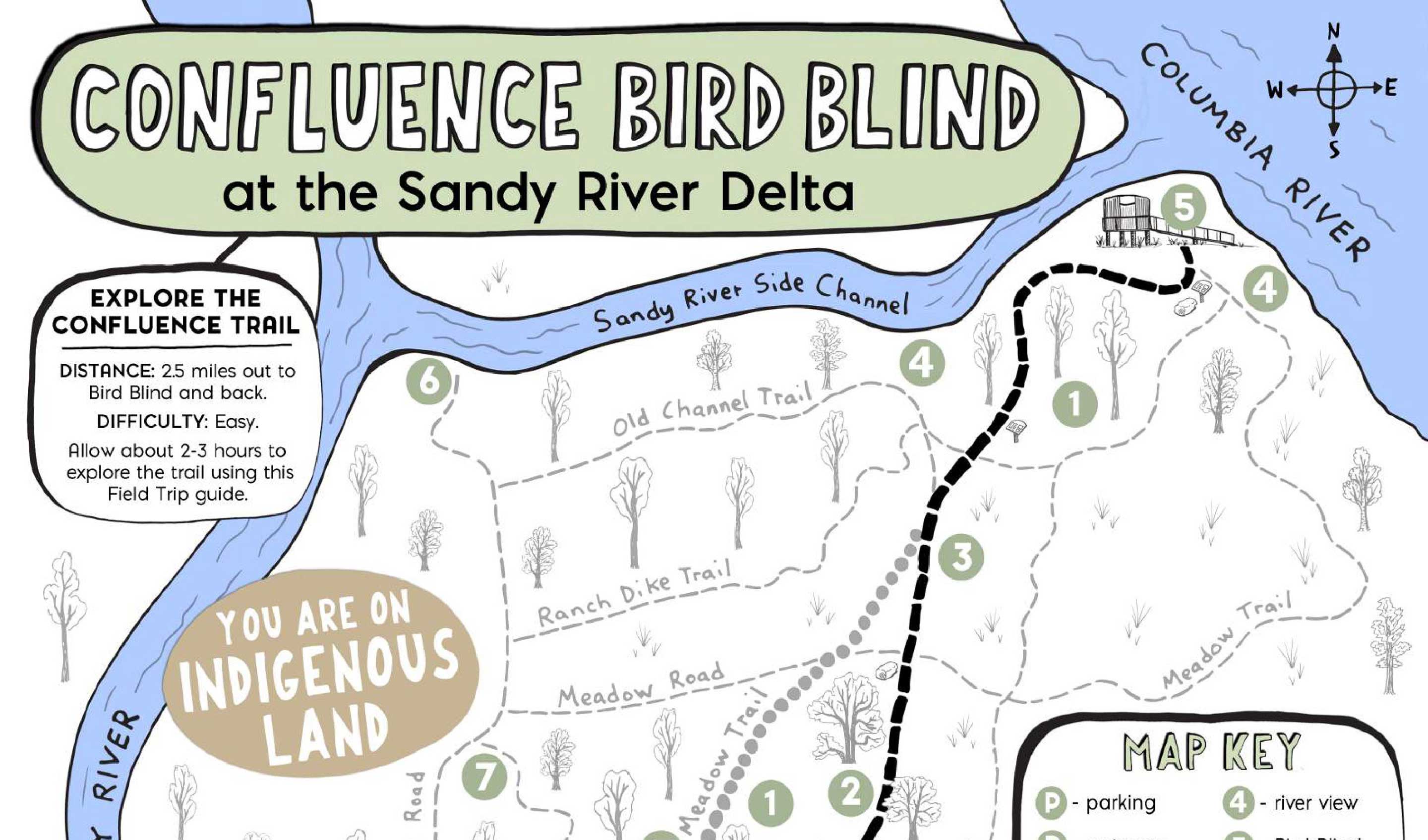
This guide is designed to guide you though the Sandy River Delta, focusing on what you see, hear, and feel while at the SRD, and to prompt thinking about changes in the landscape.